By Alasdaire Fleitas
Volunteer Contributor, Save the Storks
The Supreme Court cases, Danco Laboratories v Louisiana and GenBioPro v Louisiana, ruled that the manufacturers of the pill used for chemical abortions can continue to mail the drug mifepristone across state lines despite Louisiana’s abortion ban.
This ruling comes on the heels of the infamous 2022 Supreme Court case Dobbs v Jackson Women’s Health Organization, which overturned Roe v Wade and returned authority over abortion laws to the states.
In 1973, the Supreme Court legalized abortion in Roe v Wade after determining that abortion rights fell under the Fourteenth Amendment’s interpreted right to privacy. Fifty years later, the Supreme Court disagreed that the Constitution allows for abortion and handed abortion rights back to the states.
Despite 13 states banning abortion at all stages of pregnancy since the Dobbs decision, this recent Supreme Court ruling has essentially bypassed the decision by preventing Louisiana from banning the mailing of abortion pills across state lines.
What Is Mifepristone and How Does a Chemical Abortion Work?
The drug at the center of this legal conundrum is Mifepristone. Abortion providers give this drug to women up to 10 weeks into their pregnancy, and now manufacturers ship it directly to women.
First, the woman ingests Mifepristone, which cuts off the production of progesterone (an essential hormone for pregnancy) and stops the development of the child. 24 hours later, she takes Misoprostol, which causes the uterus to contract and the cervix to dilate, then ejects the child from the uterus.
In the wake of Dobbs, many women have used the Mifepristone mailing service to gain access to abortion in their pro-life state.
Why the Mailing of Abortion Pills Remains Controversial
Regardless of the Dobbs decision, this recent ruling sets a precedent for greater access to abortions nationwide.
Moreover, pro-life Supreme Court judges such as Clarence Thomas argued that by allowing drug companies to continue their abortion delivery services, it not only undermines the Dobbs decision but also violates the Comstock Act. This federal law, known as a federal anti-obscenity statute, prohibits the postal mailing of any medications or medical instruments that may be used for an abortion.
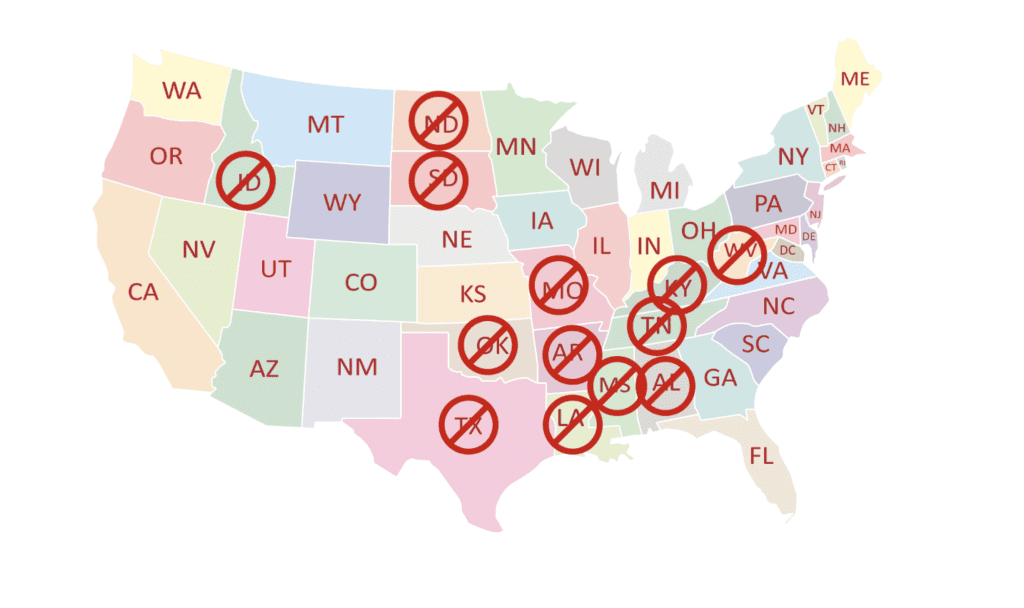
Louisiana is not the only state to ban abortion after Dobbs. As of 2026, Alabama, Arkansas, Idaho, Kentucky, Mississippi, Missouri, North Dakota, Oklahoma, South Dakota, Tennessee, Texas, and West Virginia have banned abortion.
What Are the Risks of the Abortion Pill?
While the abortion industry has promoted the chemical abortion pill as an easy and convenient fix, the Ethics and Public Policy Center has exposed the serious medical negligence associated with the mailed abortion pill.
The study found that Mifepristone should be administered in a medical setting and supervised by a physician who should evaluate the woman three times to ensure that the abortion is complete. This is critical as an incomplete abortion is highly dangerous and may result in sepsis, hemorrhaging, or even death of the mother.
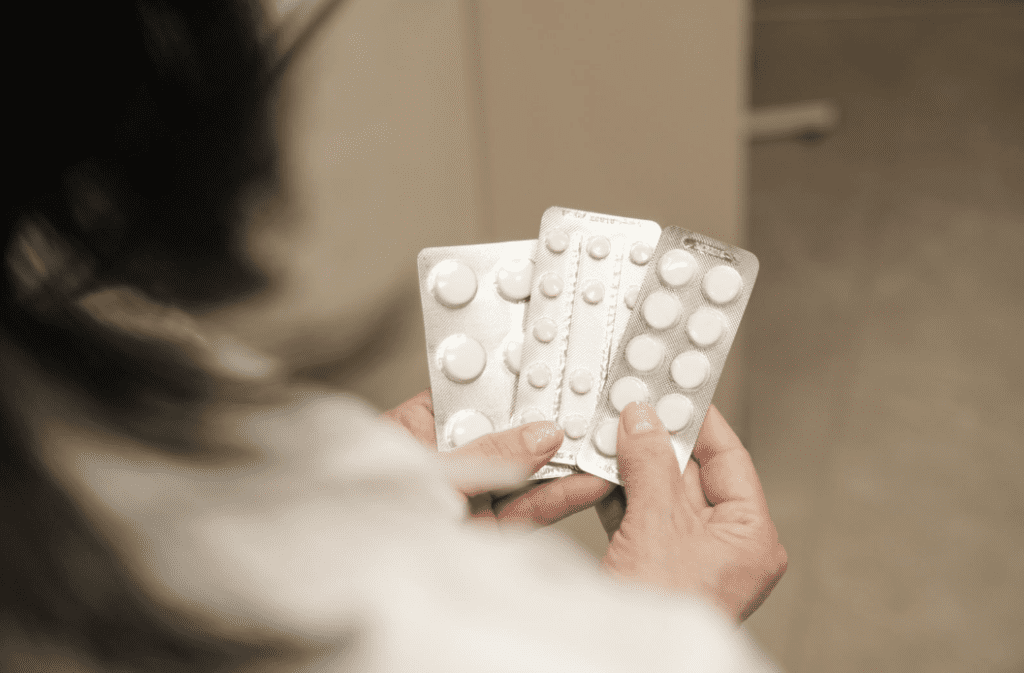
Clearly, the dangers of this drug have been downplayed since chemical abortion accounts for the majority of abortions, despite 10% of women suffering complications within 30 days of taking it.
Read next: Abortion Pill Risks Every Woman Should Know
Save the Storks’ Perspective on Chemical Abortion
At Save the Storks, we hold the view that abortion not only takes the life of a child, but it also harms the mental and physical health of the woman.
While chemical abortions may be perceived as less serious due to their convenience and lack of supervision by a physician, a child still loses their life, and many women struggle emotionally and physically following their abortion.
What Is Abortion Pill Reversal?
In fact, at Save the Storks, we provide women with the resources to access the abortion reversal pill.
This reversal pill contains progesterone, which allows the baby to continue to develop. This needs to be taken within 24 hours of ingesting the first abortion pill (mifepristone).
Fortunately, this life-saving drug has saved approximately 64 – 68% of pregnancies!
Countless women have been blinded by the convenience of the abortion pill and led to believe that it is “just a clump of cells.”
Read next: She Took the First Abortion Pill, Then Changed Her Mind
Protecting Women and Their Unborn Children
Unborn children at any stage of gestational life are still children of God. And all types of abortion take away the life of a child and endanger a woman’s health.

Save the Stork’s mission is to not only save the life of a child, but to safeguard women’s physical and mental health.
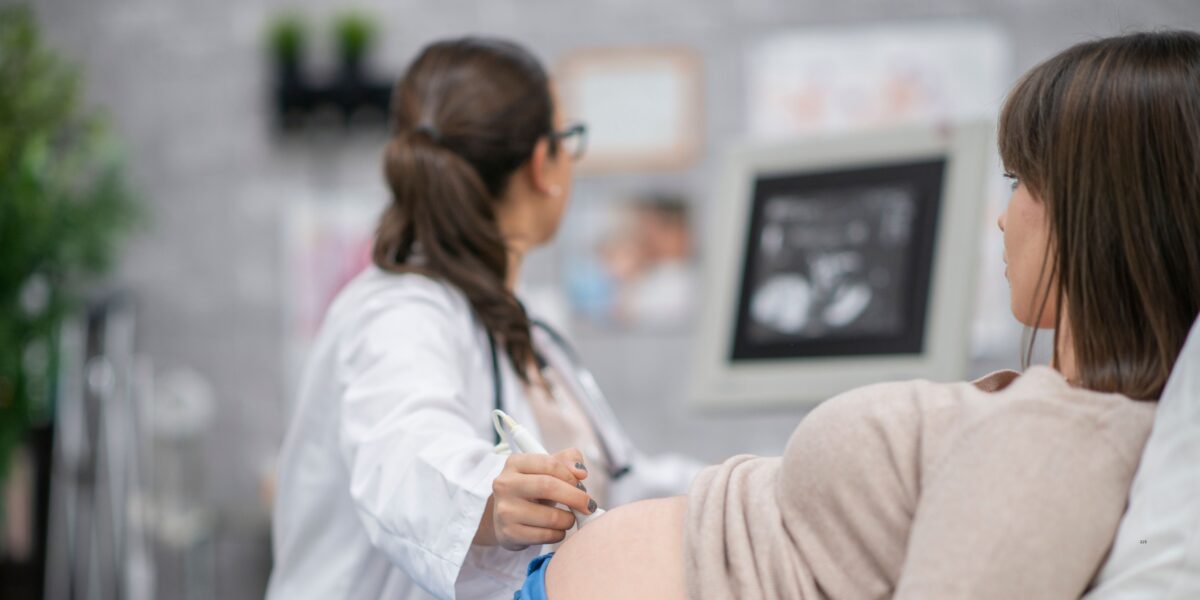
You can be part of the mission to protect women from the abortion industry by donating to Save the Storks – one ultrasound can save a child’s life.
“Whoever saves a single life, saves the world entire.” – (Mishnah Sanhedrin 4:5, The Talmud)