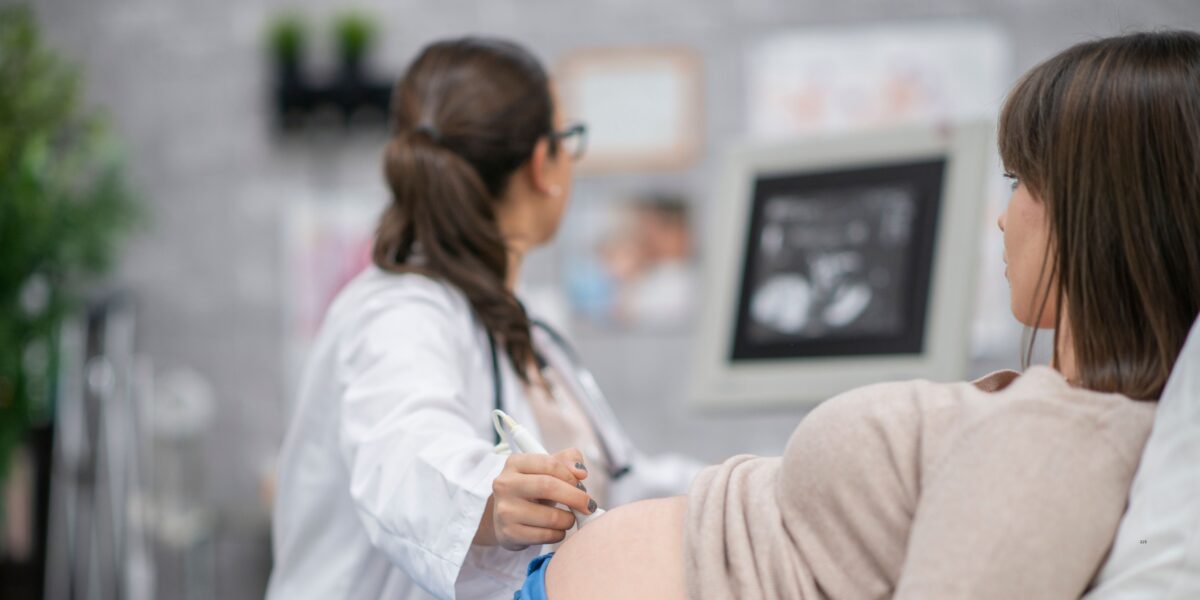
Danielle and her boyfriend Tyler were nearing the end of the longest drive of their lives. Danielle was pregnant. With sweaty palms and anxious minds, they scheduled an abortion at their nearest clinic and began the four-hour journey.
But when they’d almost reached the end of their drive, hope intervened in the form of a Save the Storks Mobile Medical Clinic, parked just outside the abortion clinic.
Danielle was drawn to it, so they stepped inside, and for the first time since she saw the positive pregnancy test, she was given a chance.
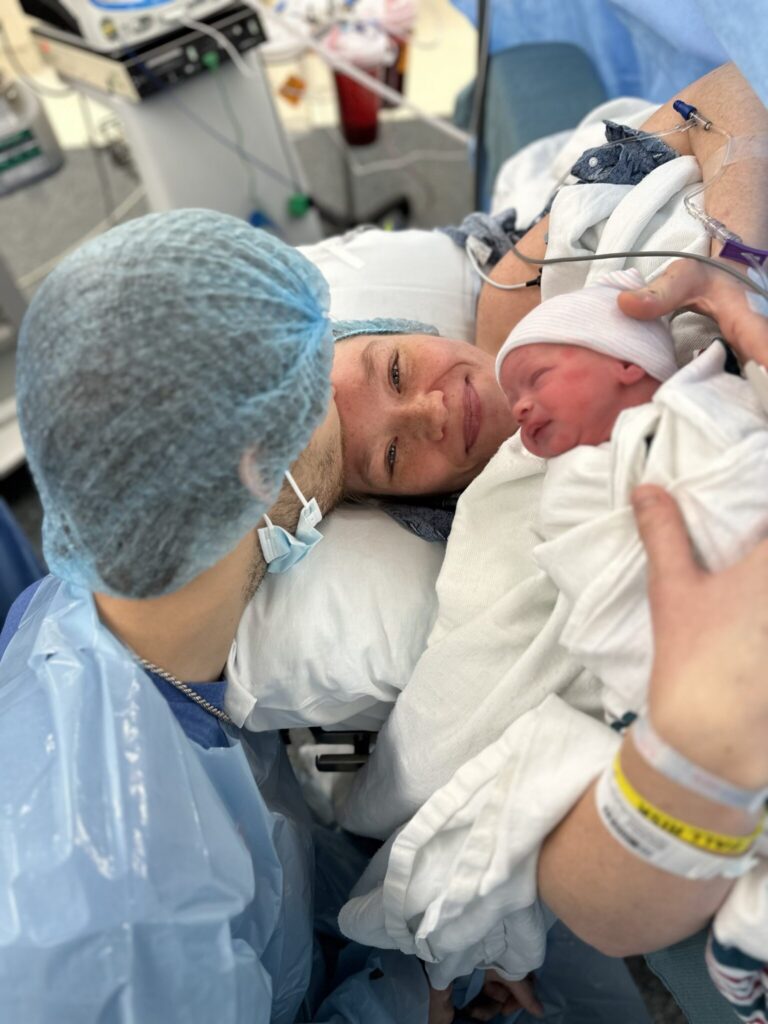
A chance to see her babies and discover they were twins, to hear their heartbeats, and to have a real choice for her life and the life of her babies. Ultimately, Danielle and Tyler chose life on that Stork Bus. But their story, and the story of that Mobile Medical Clinic, began long ago.
To understand why she had somewhere to turn today, you have to go back further than you’d think, over a century further.
Before the Pregnancy Care Movement
Long before anyone used the words “pregnancy center”, before the pregnancy help movement began in America, pregnancy support looked very different.
Women gave birth at home, cared for by midwives, family, and neighbors. Support for a pregnant woman was personal. It often came from the people already around her.
But that kind of built-in community care changed with the Industrial Revolution. As early as the 1880s, cities across the country had already begun opening homes for pregnant women who were unmarried, far from family, or otherwise on their own.
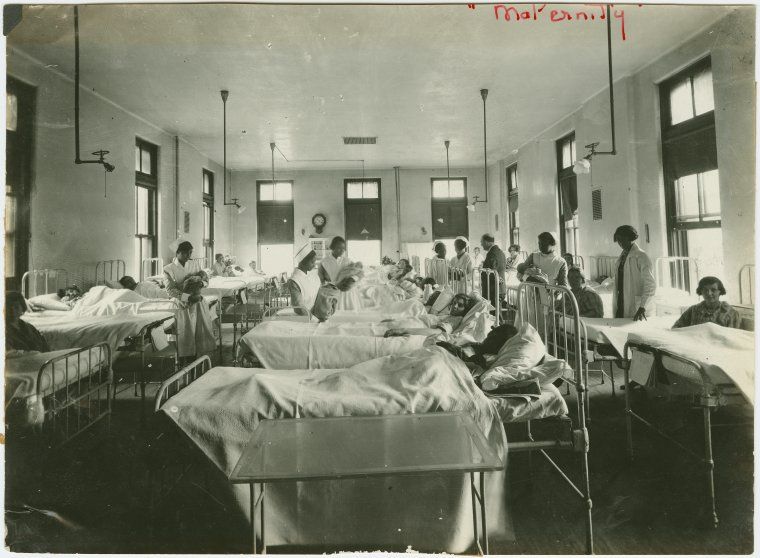
Even then, there was already a recognition that women were never meant to face an unplanned pregnancy alone.
The First Pregnancy Care Centers
The first pregnancy care centers, then known as crisis pregnancy centers, began in the late 1960s in response to the growing legalization of abortion. Birthright International was founded in 1968. It was quickly followed by Heartbeat International in 1971 and what’s now known as Care Net in 1980. All three of these organizations were created to bring confidential, non-judgmental support and alternatives to abortion for women facing unplanned pregnancy.
After Roe v. Wade was passed in 1973, the pregnancy care movement continued to grow. As the movement grew and changed, pregnancy resource centers began shifting into pregnancy health clinics; licensed medical models, with ultrasounds, pregnancy diagnosis, and licensed medical directors. Now, decades later, there are over 2,300 pregnancy resource centers across the United States.
The Rise of Mobile Care
The ability to provide ultrasounds to allow women to see their baby before their decision became pivotal in helping women choose life.
But how could we extend beyond the clinic and bring care to them?
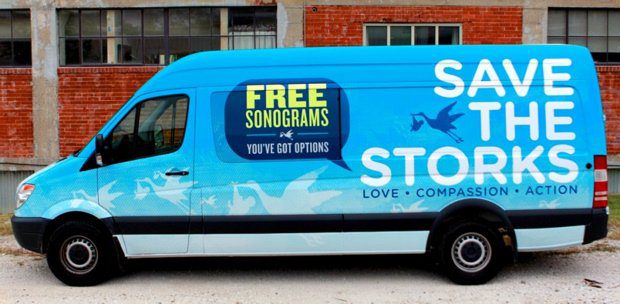
Save the Storks was founded in 2012 to reach women who may face barriers to traditional healthcare access, including transportation challenges, limited local services, or financial hardship. By bringing care directly into neighborhoods, the clinics offer a welcoming environment for women seeking medical care, information, and support.
Save the Storks currently operates mobile medical clinics, also known as a Stork Bus, in 35 states, with a long-term goal of expanding into all 50 states. Each Mobile Medical Clinic is equipped to provide ultrasound imaging, pregnancy testing, and connections to counseling, housing assistance, and additional community resources.
Every gift given to Save the Storks before September 30 is matched dollar-for-dollar. See how →
The modern pregnancy help movement began in 1968, when Louise Summerhill founded Birthright in Toronto, followed by Alternatives to Abortion (now Heartbeat International) in the U.S. in 1971.
Pregnancy resource centers offer free pregnancy testing, ultrasounds, counseling, and ongoing support for women considering all of their options, without performing or referring for abortion.
What began as phone hotlines and counseling has grown into full medical clinics offering ultrasound and diagnostic services, and now, with Save the Storks, mobile clinics that bring that same care directly into communities.
Where We Are Today
The overturning of Roe v. Wade in 2022 was a monumental moment. But it didn’t end abortion in America; it changed the way it’s administered.
Today, the majority of abortions in the U.S. are no longer performed in a clinic. They’re medication abortions, and most of them happen entirely outside the formal healthcare system. Women and girls order pills online, have them mailed to their home, and take them alone, often in a bathroom. These women are giving themselves an abortion with no doctor around, no chance for an ultrasound, and no one checking on them afterward.
This is the new landscape Save the Storks is built to meet.
Our Save the Storks Mobile Medical Clinics are strategically placed in communities to reach women before that moment; to be the voice and the face she finds instead of the screen of her computer.
Our National Partner Program gives her a safe place to turn throughout her pregnancy and long after. These are real people, in the room with her, showing her that support, compassion, and hope are right there in front of her.
And because we know the search for help often begins online, our directory and 24/7 chatbot are there for the moments that matter most: the middle of the night, alone, when she doesn’t know who else to call.
While abortion has never been more accessible, we’re working just as hard to make sure real support is just as accessible, and closer than she thinks.
But we can’t do it without you.
Right now, through September 30, your gift is matched dollar-for-dollar, up to $25,000. Every dollar you give helps us reach one more woman before she feels like she has no other option.